
 By
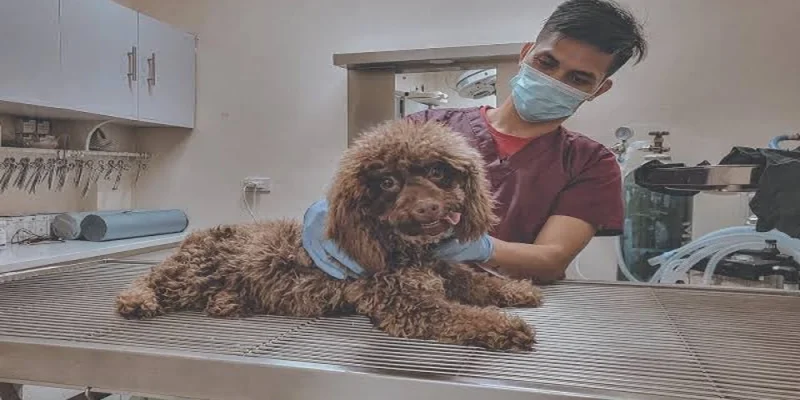
You may have only caught a glimpse of it. A string hanging from your cat’s mouth, ribbon missing from the gift table, thread pulled from a toy, fishing line gone from the garage. Then the vomiting starts, or your pet stops eating, or they crouch in a way that tells you something is wrong. That kind of moment gets your heart racing fast, and for good reason, especially when you need an emergency veterinary team serving Navarre. A suspected linear foreign body can turn serious quickly because string, yarn, ribbon, and similar materials can bunch, tighten, and damage the intestines as they move through the digestive tract.
When you bring your pet in for Animal Urgent Care, the clearest details often help the veterinarian move faster. They are trying to decide how urgent the problem is, what imaging may help, and whether your pet needs monitoring, sedation, endoscopy, or surgery. If you can tell them what was swallowed, when it likely happened, what symptoms you have seen, whether anything is hanging from the mouth or rectum, what your pet has eaten or vomited, and whether there is any past history that changes the risk, you give them a much better starting point.
Linear foreign body symptoms can change fast
A linear foreign body is not the same as a pet swallowing one smooth object. String like materials can anchor under the tongue or in the stomach while the intestines keep trying to push them forward. That can cause the bowel to bunch up, which is why veterinarians take these cases so seriously. Cornell’s overview of gastrointestinal foreign body obstruction in dogs explains how obstructions can lead to vomiting, pain, dehydration, and tissue damage.
You do not need perfect information. You just need the best information you have. Maybe you are not even sure your pet swallowed anything. That is common. Cats may chew thread in secret. Dogs may grab floss or cloth before anyone notices. The veterinarian does not expect a polished report. They need the details that narrow down risk.
The six details an urgent care veterinarian needs first
1. What the material was. Yarn, sewing thread, dental floss, ribbon, tinsel, fishing line, shoelace, fabric, and stuffing each create slightly different concerns. Mention whether it was sharp, attached to a needle, coated in food, or part of something larger.
2. When the exposure may have happened. Tell them the exact time if you know it. If you do not, give the closest window you can. “Sometime overnight” or “within the last two hours” helps more than “recently.” Timing can shape whether vomiting was caused by the object, whether it may have moved, and what treatment options are still realistic.
3. What symptoms you have seen. Vomiting, repeated swallowing, lip licking, hiding, pacing, not eating, painful belly, lethargy, diarrhea, straining, or a change in posture all matter. Mention whether symptoms are constant or off and on. A pet that vomited once and then seemed normal may still be in trouble.
4. Whether anything is visible from the mouth or rectum. This is one of the most urgent details. If string is hanging out, say so right away. Do not pull it. Pulling can cut through tissue internally. If your pet has string trapped under the tongue, that also changes the exam and treatment plan.
5. What your pet has eaten, drunk, or vomited since then. Has your pet kept down water. Have they eaten treats but not dinner. Did they vomit foam, food, bile, or pieces of string. Bring a photo if you have one. Small details can show whether the stomach is emptying or whether the obstruction is progressing.
6. Medical history that changes the risk. Tell the veterinarian about prior abdominal surgery, chronic vomiting, inflammatory bowel disease, pica, pancreatitis, current medications, or a habit of chewing fabric or string. In cats, thread and ribbon are classic concerns, and ultrasound or X rays may be used along with the physical exam. The University of Florida provides a useful example of imaging findings in a cat with a linear foreign body.
Why these details matter in pet urgent care
You may be worried that you are overreacting. Most owners who suspect string ingestion are not overreacting. The hard part is that symptoms can look mild at first. A pet may still walk around, purr, wag, or ask to go outside. Meanwhile the intestines may already be irritated or starting to bunch. That gap between how your pet looks and what may be happening inside is what makes urgent veterinary care for suspected string ingestion so important.
There is also the money side of this, which weighs on people more than they like to admit. Imaging, hospitalization, and surgery can be expensive. Delaying care can make treatment more involved if tissue damage develops. Getting a veterinarian involved early does not always mean surgery, but it does give your pet a better chance of avoiding worse complications.
Home observation versus immediate veterinary evaluation
| Situation | Home Response | Veterinary Risk Level |
|---|---|---|
| String, ribbon, floss, or thread seen in mouth or rectum | Do not pull it. Prevent more chewing or licking. | High. Needs prompt evaluation. |
| Known ingestion with vomiting, pain, or refusal to eat | No food unless directed by a veterinarian. | High. Same day urgent assessment is appropriate. |
| Possible ingestion but pet seems normal | Call and describe the material and timing. | Moderate to high. Linear objects carry more risk than many owners expect. |
| Owner tries to induce vomiting or pull visible string | Avoid both unless a veterinarian gives direct instructions. | High. Can worsen internal injury. |
Three steps you can take right now
Gather the evidence. Bring the packaging, the matching toy, a similar piece of the missing material, or photos of any vomit or visible string. If you know the length missing, estimate it. That can help more than you think.
Keep your pet from making it worse. Remove access to more string or fabric. Stop tug games. Use an e collar if your pet keeps pawing at the mouth or trying to eat what is hanging out. Do not offer a bulky meal to “push it through.”
Call for animal urgent care and report the six details clearly. This is the fastest way to help the team judge urgency and prepare for your arrival. If your pet is weak, painful, or repeatedly vomiting, go in right away.
Clear information helps the veterinarian move faster
You do not need to solve this at home, and you do not need to wait until your pet looks critically ill. If you suspect a linear foreign body, the safest move is to get urgent care veterinarian details for foreign body ingestion in front of a medical team quickly and clearly. Your observations matter, even if they feel incomplete. Calm, direct information can shorten the path to treatment and protect your pet from avoidable harm.
If your pet may have swallowed string, ribbon, floss, or fabric, seek Animal Urgent Care as soon as possible and share the six details above when you call or arrive.






Comments