
 By
By 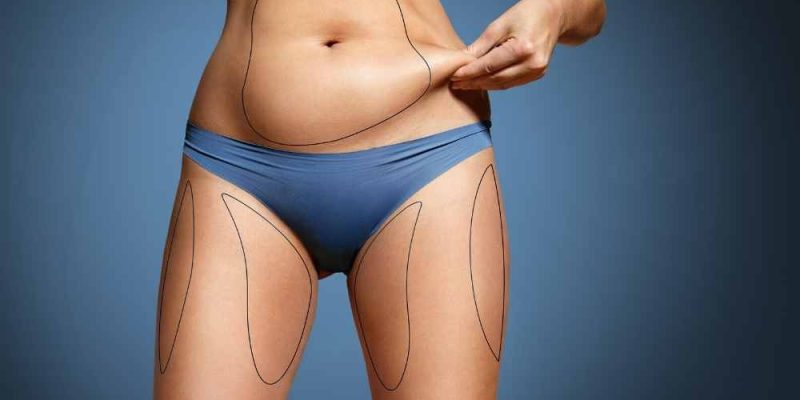
The most effective natural ways to increase lipolysis are high-intensity training, fasted exercise, time-restricted eating, and sleep. All four work through the same core mechanism: elevating catecholamines (the fat-mobilizing hormones) while lowering insulin (the fat-storage signal). This hormonal coordination creates the optimal biochemical environment for breaking down stored fat and releasing it for energy.
The full biochemistry of lipolysis – including the hormonal signals, enzyme pathways, and practical protocols that influence the process – is covered in this how to increase lipolysis guide, which explains the complete science of fat burning and how to apply it.
The Primary Hormonal Drivers of Lipolysis
Lipolysis is not a single event but a carefully regulated cascade controlled by opposing hormonal signals. The balance between lipolytic (fat-releasing) and antilipolytic (fat-storing) hormones determines whether fat cells release or store energy. This regulatory system evolved to preserve energy reserves during food scarcity, but modern eating patterns have shifted the system toward chronic storage. Reversing this requires understanding which hormones control the process and how to activate the right signals at the right times.
Catecholamines
Adrenaline (epinephrine) and noradrenaline (norepinephrine) are the primary hormonal triggers for lipolysis. They bind to beta-adrenergic receptors on fat cell surfaces, activating adenylyl cyclase, which increases cyclic AMP (cAMP), which activates protein kinase A, which phosphorylates hormone-sensitive lipase (HSL). This cascade results in HSL breaking down stored triglycerides and releasing fatty acids into the bloodstream.
Catecholamine levels rise significantly during exercise – particularly high-intensity exercise – and during periods of caloric restriction. This is the primary mechanism by which both diet and training increase lipolysis. The catecholamine response is dose-dependent: the intensity and duration of the stimulus directly correlate with the magnitude of the response. Brief, intense exercise produces a sharper catecholamine peak, while steady-state activity produces a more moderate but sustained elevation.
Insulin
Insulin is the primary inhibitor of lipolysis. It acts through multiple pathways to suppress fat release: it deactivates HSL directly, it promotes lipogenesis (fat storage), and it counters the catecholamine signal at the receptor level. Chronically elevated insulin – from frequent high-carbohydrate meals, constant eating windows, or insulin resistance – dramatically reduces the net lipolysis rate even when catecholamine levels are elevated.
This creates a critical mechanistic insight: even aggressive training or caloric restriction may fail to produce meaningful fat loss if insulin remains elevated throughout the day. The catecholamine signal is only effective when insulin levels are low enough to allow HSL to work. This is why simply “eating less” without managing meal timing or carbohydrate distribution often stalls progress – the hormonal brake remains engaged even as caloric intake drops.
How to Naturally Increase Lipolysis Rate
1. High-Intensity Training
The catecholamine response is proportional to training intensity. Low and moderate-intensity exercise produces a modest catecholamine surge. High-intensity resistance training and sprint intervals produce a substantially larger catecholamine response that persists for a period after training ends – the so-called EPOC (excess post-exercise oxygen consumption) effect. This extended catecholamine elevation continues to drive lipolysis for hours after the training session.
The practical application is strategic: one high-intensity resistance session per week or two sprint intervals per week produce catecholamine elevations comparable to much higher volumes of moderate-intensity work. This is why time-constrained individuals often see better fat loss results from brief, intense training than from longer, moderate-intensity sessions. The efficiency comes from the hormonal signal, not just the caloric burn during the exercise itself.
2. Fasted Training
Training in a fasted state combines low insulin levels (from not eating) with elevated catecholamines (from training), creating optimal conditions for lipolysis. The low-insulin environment removes the primary inhibitory signal, allowing catecholamines to activate HSL more effectively. The caveat is that training performance may be slightly reduced in a fasted state – the lipolysis benefit is typically worth this trade-off for moderate-intensity sessions, but may not be optimal for maximum intensity work.
Operationally, this means fasted training works best when training is performed early in the morning after an overnight fast, before the first meal of the day. The timing matters: training at the end of a long fasting window (12-16 hours post-eating) produces the lowest insulin state and maximal catecholamine sensitivity. This is particularly effective for targeting stubborn adipose tissue in lower-body and abdominal regions.
3. Time-Restricted Eating
Compressing eating into a shorter daily window creates extended periods of low insulin that allow HSL to operate without the primary inhibitory signal. This is particularly important for mobilising fat from regions with high alpha-2 receptor density – like the lower abdomen – where the double barrier of alpha-2 braking and insulin suppression is most significant.
The mechanism is straightforward: every hour spent in a fasted state is an hour during which lipolysis can proceed without insulin interference. A typical 8-hour eating window creates 16 hours of fasting daily, producing sustained periods of elevated lipolysis even without exercise. The fat mobilisation during these windows is modest, but accumulated over months, the difference is substantial. The key is consistency – the benefit only manifests when the pattern is maintained across days and weeks.
4. Caffeine
Caffeine inhibits phosphodiesterase – the enzyme that breaks down cAMP. By slowing cAMP degradation, caffeine extends and amplifies the catecholamine signalling cascade that drives lipolysis. The effect is modest but clinically documented: pre-exercise caffeine intake increases the rate of fat oxidation during exercise. It also enhances training performance, increasing catecholamine output through higher training intensity.
The practical dose is 3-6 mg per kilogram of body weight consumed 30-60 minutes before training or activity. The effect is most pronounced in individuals not accustomed to regular caffeine intake; habitual users develop tolerance and see diminished returns. Caffeine is most effective when combined with fasted training or low-insulin conditions, as it amplifies an existing catecholamine signal rather than creating one independently.
5. Cold Exposure
Cold exposure activates the sympathetic nervous system and elevates noradrenaline levels, creating a catecholamine-driven lipolysis stimulus even at rest. Repeated cold exposure also activates brown adipose tissue (BAT), which increases metabolic rate and fat oxidation. The practical application – cold showers, cold water immersion – produces measurable but not dramatic lipolysis benefits.
The dose-response is significant: 15-30 minute immersions in water below 15°C produce measurable noradrenaline elevation and metabolic effects. Brief cold showers (60-90 seconds) produce smaller but still meaningful responses. The benefit compounds with repetition – chronic cold exposure increases brown adipose tissue volume and metabolic activity, raising baseline lipolysis rate even on days without cold stimulus.
6. Adequate Sleep
Growth hormone – released primarily during slow-wave sleep – is a potent lipolytic hormone. It increases HSL activity and promotes fat release, particularly from subcutaneous stores. Sleep deprivation reduces growth hormone output significantly, impairs insulin sensitivity, and elevates cortisol – all of which reduce net lipolysis rate. Protecting sleep quality is one of the highest-return interventions for fat loss.
Mechanistically, sleep debt accumulates quickly: even a single night of 5-6 hours produces measurable reductions in growth hormone and increases in cortisol, suppressing lipolysis for 24+ hours afterward. The practical implication is that consistency matters more than any single night – seven consecutive nights of 7-9 hours produces far greater lipolysis elevation than sporadic extended sleep. Sleep is not optional infrastructure; it’s an active lipolytic stimulus.
Combining Lipolysis Levers: A Practical Framework
The most effective fat loss protocols stack multiple lipolysis levers simultaneously, each amplifying the effect of the others. Consider a high-intensity resistance training session performed in a fasted state after 12+ hours without eating. The fasted condition keeps insulin low. The high-intensity exercise triggers a large catecholamine surge. The low-insulin environment allows that catecholamine signal to activate HSL without interference. Pre-training caffeine extends the signalling cascade. The result is a supraphysiological lipolysis stimulus – fat mobilisation far exceeding what any single intervention could achieve. Over 24-48 hours, this single session produces measurable net fat loss that accumulates substantially over weeks and months.
The key principle is synergy, not mere addition. A fasted session plus caffeine plus high intensity produces more lipolysis than the sum of the three interventions in isolation. This is because each intervention removes a barrier or amplifies a signal that the others depend on. Time-restricted eating creates the low-insulin foundation that allows all other interventions to work more effectively. Sleep quality determines whether growth hormone and cortisol balance support or undermine lipolysis. These are not independent tools but interdependent components of a coherent system.
The Limits of Lipolysis Stimulation
Increasing lipolysis rate only translates to fat loss if the released fatty acids are subsequently oxidised rather than re-esterified back into triglycerides. This requires a caloric deficit – the released fatty acids need to be used for energy rather than returned to storage. Lipolysis optimisation without an underlying caloric deficit increases fat mobilisation but not necessarily net fat loss.
The practical implication is that lipolysis protocols work as complements to caloric deficit, not replacements. Their primary value is in targeting specific fat compartments – particularly alpha-2 receptor-dominant regions like the lower abdomen – that respond poorly to standard deficit approaches. A well-designed fat loss protocol combines lipolysis stimulation (high-intensity training, fasted activity, low-insulin windows, sleep) with a sustainable caloric deficit to ensure the released fatty acids are oxidised rather than re-stored.
Frequently Asked Questions
How quickly can I increase my lipolysis rate?
Catecholamine responses to exercise occur within minutes, and insulin suppression from fasting begins immediately. However, measurable changes in body composition typically appear within 2-4 weeks of consistent protocol adherence, as the cumulative lipolysis effect builds across days and weeks.
Can I increase lipolysis without exercising?
Yes. Time-restricted eating, adequate sleep, caffeine intake, and cold exposure all elevate lipolysis independent of exercise. However, high-intensity training produces the largest single catecholamine stimulus, so combining training with these other approaches is most effective.
Does fasted training burn more fat than fed training?
Fasted training increases lipolysis rate during and immediately after the session, as insulin stays low and catecholamines activate fat-mobilizing pathways uninhibited. Fed training may support higher performance intensity, which increases total catecholamine output. The optimal choice depends on your training goal and how your body responds.
How does sleep affect lipolysis if I’m trying to lose fat?
Sleep deprivation suppresses growth hormone (a lipolytic hormone), elevates cortisol (an antilipolytic hormone), and impairs insulin sensitivity. Just one night of poor sleep can suppress lipolysis for 24+ hours. Consistent 7-9 hours nightly is one of the highest-leverage interventions for supporting fat loss.




Comments