
 By
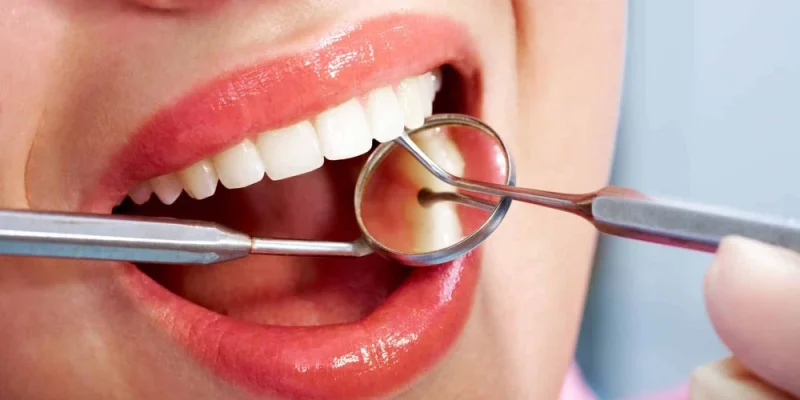
You may have reached the point where you smile with your lips closed in photos, cover your mouth when you laugh, or avoid speaking up because you do not want people noticing your teeth. That kind of self-consciousness builds slowly. One chip, one dark tooth, one gap that seems more obvious every year, and suddenly your smile feels like the first thing you want to hide. For those exploring options like Invisalign in Kingston, that feeling can also be the first step toward change.
If that sounds familiar, you are not overreacting. Your smile affects how you feel in social settings, at work, and even during routine conversations. Oral health also plays a larger role in daily life than many people realize. The National Institute of Dental and Craniofacial Research explains in its Oral Health in America executive summary that oral conditions can affect comfort, function, and quality of life. When your teeth make you feel guarded, cosmetic dental care may be worth a closer look.
Smile flaws often affect confidence long before they affect function
One clear sign that cosmetic dentistry could help is when the appearance of your teeth is changing your behavior. You might skip group photos, avoid video calls without filters, or rehearse your smile in the mirror before an event. That is not vanity. It is a sign that your teeth are taking up too much space in your mind.
Stains, worn edges, uneven spacing, and small chips often seem minor to other people, yet they can feel huge when you see them every day. The problem tends to grow because you keep noticing it. A tooth that looked slightly off last year can start to feel like the only thing anyone sees now.
In many cases, a general and cosmetic dentist can offer options that are far more tailored than people expect. Professional whitening, bonding, contouring, and veneers are common ways to improve a smile without changing your natural look. The goal is not a fake, identical smile. The goal is a smile that feels like you again.
Worn, chipped, or uneven teeth can make your smile look older and less healthy
Another sign is visible wear. Teeth do not have to be broken or painful to benefit from cosmetic treatment. If your teeth look flat, shortened, cracked, or uneven, your smile may appear tired even when you feel fine. This is common with grinding, clenching, and years of normal use.
That wear can affect more than appearance. Rough edges may catch your eye every time you talk. Small chips can make you focus on one tooth instead of your whole smile. If one front tooth is darker or shaped differently, it can throw off the balance of your face in a way that is hard to ignore.
Cosmetic dentistry can address these issues with conservative treatments in many cases. Bonding can smooth a chipped edge. Veneers can cover shape and color concerns. If you want to understand that option better, the American Dental Association offers a helpful overview of veneers and how they work.
Repeated at home fixes may signal that professional cosmetic dental treatment would serve you better
The third sign is the cycle of trying to fix your smile on your own and still feeling unhappy with the result. You may have tried whitening strips, charcoal pastes, mail order products, or photo editing apps that change your teeth in every picture. That pattern usually points to a real concern that needs a more precise solution.
At home products can help with mild surface stains, but they cannot reshape a tooth, close a gap, repair wear, or correct uneven color caused by deeper discoloration. They also come with limits. Overusing whitening products can lead to sensitivity, and some internet trends can damage enamel.
If you keep spending money on short term fixes, a consultation with a dentist may actually save you frustration. A dentist can tell you whether the issue is cosmetic, functional, or both, and help you weigh what matters most to you. For a broad look at safe ways to improve your smile, the ADA also shares practical guidance on ways to improve your smile.
Professional cosmetic dentistry and do it yourself options offer very different results
| Concern | At Home Option | Professional Option | What to Expect |
|---|---|---|---|
| Surface stains | Whitening toothpaste or strips | In office or dentist supervised whitening | Professional care is often faster and more even, with better guidance for sensitivity |
| Chipped tooth | None that safely repairs shape | Bonding or veneer | Restores the look of the tooth with a more natural finish |
| Small gaps or uneven shape | Cosmetic tricks in photos only | Bonding, contouring, or veneers | Targets the actual shape and balance of the smile |
| Deep discoloration | Limited whitening results | Veneers or other cosmetic treatment | Better for stains that do not respond to over the counter products |
Smile confidence improvement is rarely about one perfect treatment. It is about matching the right option to the reason you feel uncomfortable now. That is why a personalized exam matters. What bothers you may be simple to fix, or it may need a plan that balances appearance, comfort, and budget.
Small, practical steps can help you decide what to do next
1. Pay attention to the moments you hide your smile. Notice when it happens. Is it during photos, work meetings, dates, or casual conversations. Those patterns tell you how much your smile is affecting your daily life and what kind of result matters most.
2. Take clear photos of your teeth in natural light. Front view, side view, and a full smile. This helps you spot whether the issue is color, shape, spacing, or wear. It also gives you a useful starting point when discussing cosmetic dental treatment with a dentist.
3. Schedule a consultation with a general and cosmetic dentist. Ask what is causing the concern, what options fit your goals, how long results may last, and what maintenance is involved. You do not need to commit on the spot. You need clear information and a plan that feels realistic.
If your smile has become something you manage instead of enjoy, that is reason enough to explore your options. A few focused changes can make you feel more at ease, more open, and more like yourself. The right cosmetic dentistry plan is not about chasing perfection. It is about helping your smile stop being a source of stress and start feeling natural again.


Comments