
 By
By 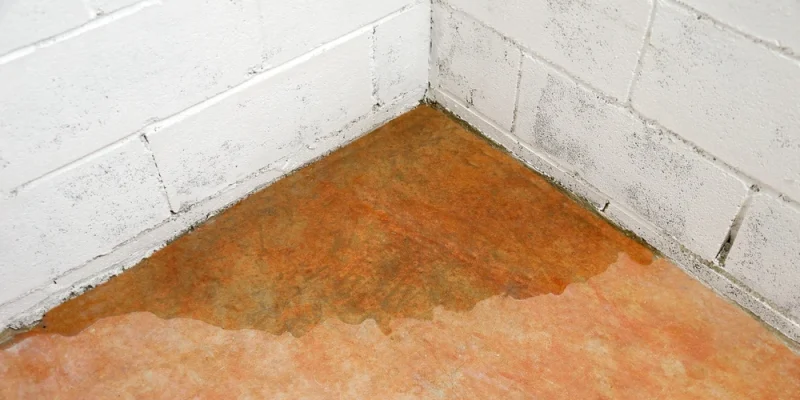
In a lot of Texas homes, the plumbing doesn’t run through a basement or a crawl space. It runs through the concrete foundation itself, under the floors you walk on. When one of those pipes leaks, there’s nothing to see for a long time. Water seeps into the soil, softens the ground, and may travel for days before it shows up as a damp patch or a spike on your bill. The good news is that slab leaks leave clues, and you can run a few simple tests before you ever call anyone. Here are four, in order.
Test one: read your bill
Start with the cheapest evidence you have. Pull out your last several water bills and compare them. A sudden jump with no change in household habits, such as guests, a new pool fill, or heavy lawn watering, is a flag. The EPA’s WaterSense program suggests in its Fix a Leak Week guidance looking at your water use during a colder month, when outdoor watering is low, because a high number then is harder to explain.
A bill alone doesn’t prove anything, since rates and billing cycles change, but a steady climb is worth following up.
Test two: watch the meter
This is the test that separates real leaks from guesswork. Shut off every faucet and appliance in the house, including the ice maker and the irrigation system if you can. Find your water meter, which is usually near the curb, and write down the reading. Wait at least two hours without using any water, then check it again. The EPA’s guidance is that if the meter changes at all, you probably have a leak.
If the meter moves, the next question is where. A running toilet or a dripping faucet can account for it, so check those first. Then look for the less obvious signs. Listen near walls and floors for the faint sound of running water when the house is quiet. Walk through the house barefoot and notice any warm spots on the floor, which can point to a leak in a hot water line under the slab. Check for damp carpet, lifting laminate or wood flooring, mildew smells, new cracks in walls or tile, and water pooling near the foundation outside.
Test three: bring in the instruments
When the first two tests point to a leak under the floor, the job changes. Guessing where to break the concrete is expensive and disruptive, so professional detection is worth it. A licensed plumber such as Marathon Plumbing can use equipment that listens for the sound of escaping water, thermal imaging that picks up temperature differences, and pressure tests that show whether a line is holding. The goal is to pinpoint the leak so any repair is as small as possible.
Ask what methods they use, what the detection will cost, and whether that cost is credited toward the repair if you proceed. Ask for the findings in writing, with a diagram or photos showing where the leak is located and which pipe is affected.
Test four: understand your repair options
Once the leak is located, there are usually several ways to fix it, and they differ in cost, mess, and how long they last.
Spot repair. The plumber opens the slab above the leak, repairs the pipe, and patches the concrete. It’s the most direct option, and it works well when only one section is damaged.
Rerouting. Instead of repairing the pipe under the slab, the plumber abandons that line and runs a new one through the attic or walls. It avoids breaking concrete and gets the plumbing out of the foundation, which can help with future problems.
Repiping. If the system has widespread corrosion or several leaks, replacing the lines may make more sense than patching them one at a time.
Pipe lining. Some contractors offer epoxy or similar coatings applied inside existing pipes. Its suitability depends on the condition of the pipe and the layout, so ask for a clear explanation of why it would or wouldn’t work in your case.
Ask each contractor to describe the repair, what will be disturbed, how floor coverings and finishes will be handled, and what the warranty covers. Compare more than one plan if the job is large.
What causes slab leaks in the first place
Knowing the cause helps you judge the fix. Pipes under a slab can corrode over time, especially when water chemistry is harsh. High water pressure stresses the lines and joints. Pipes can rub against rough concrete or gravel as they expand and contract. And in regions where soil swells and shrinks with moisture, foundation movement can stress or break lines. A plumber should be able to tell you what likely caused your leak, because that affects whether similar leaks may follow.
Handle the aftermath
Slab leaks can damage flooring, walls, and cabinets before they’re found. If water has soaked materials, they need to be dried quickly, generally within a day or two, to reduce the risk of mold. Contact your insurance company early to ask what your policy covers, since coverage for damage caused by a plumbing leak, and for the cost of accessing the pipe, varies. Keep photos, bills, reports, and receipts together.
If you have standing water, shut off the main water supply and call for help. If you smell gas at any time, that’s a different emergency, so leave the house and call your gas utility from outside.
Reading the evidence
A slab leak is easier to deal with when you treat it as an investigation. Check the bill, test the meter, look and listen for physical clues, and bring in professional detection before anyone picks up a jackhammer. Then choose a repair that fits the extent of the damage, and get the plan and warranty in writing.
None of this is complicated, but it does reward speed. The sooner a leak is found, the less water gets into the soil and the structure, and the smaller the repair tends to be. Run the meter test this week. It costs nothing, takes a couple of hours, and gives you a clear answer about whether something is happening under your feet.




Comments