
 By
By 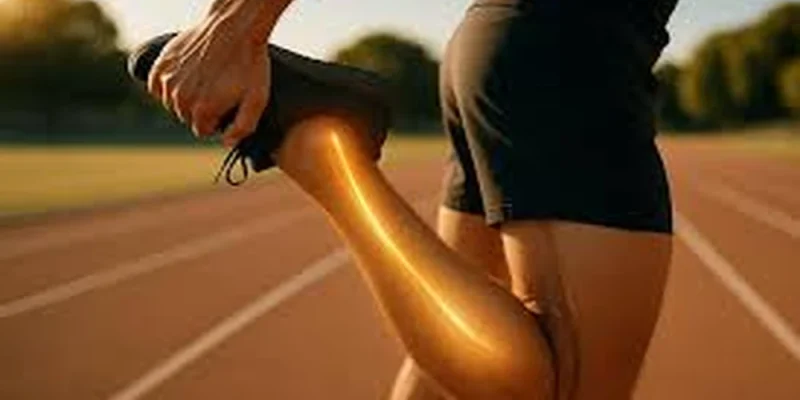
Recovery capacity changes with age in ways that affect training adaptations, tissue repair timelines, collagen turnover, and growth hormone output across different life stages in women. Peptides for women researching fitness recovery in the context of ageing cluster around compounds addressing those specific physiological shifts rather than general performance enhancement goals more common in younger athletic populations. GHK-Cu, BPC-157, Ipamorelin, CJC-1295, and collagen-derived peptides appear most consistently across community accounts from women researching peptide-based recovery alongside age-related fitness maintenance goals on dedicated health and biohacking platforms globally.
Soft tissue repair choices
BPC-157 appears most frequently in soft tissue recovery accounts from women dealing with tendon, ligament, and joint injuries that standard physiotherapy approaches had not fully resolved before the peptide protocol was introduced to the recovery plan. Subcutaneous administration near the affected tissue is the delivery method appearing most consistently in women’s BPC-157 accounts, reflecting the localised VEGF-driven angiogenesis mechanism that makes injection proximity to the primary injury site relevant to the recovery response. TB-500 appears alongside BPC-157 in a subset of women’s soft tissue accounts where multi-site injuries or widespread joint inflammation drove the decision to introduce a second systemically acting compound to the protocol. Women in their forties and fifties account for a disproportionate share of the chronic tendon and ligament injury accounts covering BPC-157 protocols, reflecting the collagen quality decline that makes those tissue types more vulnerable to overuse damage at lower training volumes than younger athletes experience.
GHK-Cu collagen connection
GHK-Cu is a naturally occurring copper peptide found in human plasma at concentrations that decline with age from approximately 200 nanograms per millilitre in young adults to around 80 nanograms per millilitre in older individuals, a decline that researchers associate with reduced fibroblast activity and slower collagen production across skin, tendon, and connective tissue. Topical and injectable GHK-Cu both appear in women’s community accounts, with topical application concentrated in skin-focused ageing accounts and injectable use appearing in accounts addressing both skin collagen repair and broader connective tissue recovery goals simultaneously. Fibroblast stimulation, collagen synthesis upregulation, and matrix metalloproteinase modulation are the three GHK-Cu mechanisms appearing most consistently across the preclinical research covering skin repair applications relevant to ageing female physiology.
Growth hormone peptide use
Ipamorelin appears in accounts from women researching growth hormone axis support for muscle preservation and recovery speed, with its selective GH release profile attracting interest specifically because it does not produce the cortisol or prolactin elevations associated with less selective GHRP compounds in the same peptide category. CJC-1295 combined with Ipamorelin appears frequently in women’s accounts covering body composition maintenance alongside recovery optimisation, with users citing the extended GH release profile of the combination as the reason for preferring it over Ipamorelin alone in longer protocol cycles. Women in perimenopause and post-menopause account for the majority of the GH axis peptides on biohacking platforms, reflecting the interaction between declining oestrogen and reduced GH pulsatility that makes growth hormone support a more relevant recovery consideration in that demographic than in premenopausal women at equivalent training levels.
Peptides for women in fitness recovery and ageing address a set of physiological requirements that differ from those driving peptide use in younger athletic populations, with collagen repair, soft tissue healing, and growth hormone axis support appearing as the three most consistently documented goals across independent community accounts from women researching these compounds for age-related recovery applications.




Comments