
 By
By 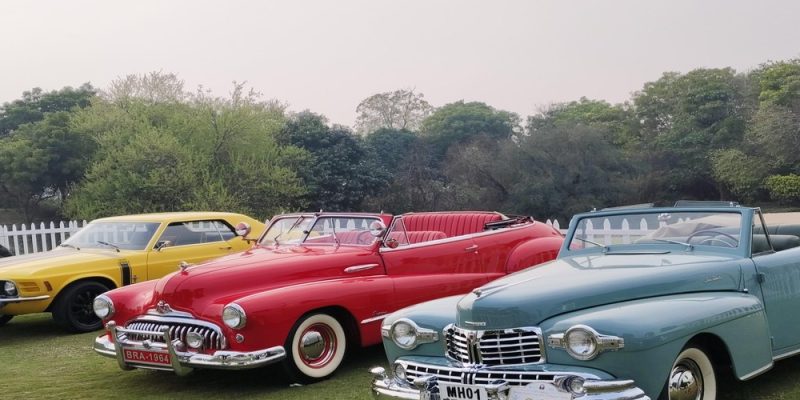
Classic cars continue to attract buyers because they offer something modern vehicles rarely deliver in the same way. Their shape, sound, and road presence create a kind of connection that feels immediate and personal. For many people, that appeal begins long before the first drive.
When buyers talk about the most popular classic cars of all time, they usually point to more than looks alone. They think about heritage, character, rarity, and the feeling that comes from owning something with real history behind it. That mix helps explain why interest in classic models stays strong across generations.
Design That Stays Memorable
Classic cars tend to stand apart through strong visual character. Their body lines, front grilles, wheel shapes, and trim details give them a presence that feels deliberate and easy to recognize. Buyers respond to that kind of design because it feels bold without trying too hard.
This visual identity can shape desire in a very direct way. A person may remember a certain coupe, convertible, or muscle car from childhood and carry that image for years. When that memory returns through a real car, the appeal becomes far stronger than simple admiration.
Mechanical Feel Creates a Stronger Bond
Modern cars aim for ease, comfort, and quiet control, yet classic cars usually offer a different kind of relationship with the road. The steering may feel heavier, the engine note may feel sharper, and the cabin may bring the driver closer to the machine itself. That rawer feel attracts buyers who want a driving experience with more character.
This is one reason the most popular classic cars of all time continue to draw respect in collector circles. Buyers do not just want a polished exterior or a famous name on the hood. They want the sound, response, and physical feedback that make the drive feel vivid and personal.
History Gives the Car More Meaning
A classic car carries a story that reaches beyond transportation. It may reflect a design movement, a racing period, a cultural shift, or a major step in automotive development. Buyers value that background because it gives the car a stronger purpose and a clearer place in history.
That historical depth can make ownership feel more meaningful. A buyer may connect the car to family memories, old films, road trips, or a decade that still holds emotional weight. The car then becomes a link to something larger than the object itself.
Rarity Increases Desire
Scarcity has a powerful effect on buyer interest. A model with limited production numbers, a special trim, or a sought-after engine package can create much stronger demand than a more common version. Buyers tend to place greater value on a car that feels difficult to replace.
This does not mean only rare exotic models matter in the market. Familiar American and European classics can become highly desirable when clean examples begin to disappear. As the number of strong survivors falls, the emotional and financial pull of those cars can rise with it.
Ownership Feels Personal
Classic car ownership asks for attention, patience, and care, and many buyers see that as part of the reward. The search for the right example, the inspection process, and the long-term upkeep can all make the connection feel more direct. That sense of involvement gives the purchase a deeper kind of satisfaction.
This helps explain why the most popular classic cars of all time continue to attract loyal buyers across age groups. People want something that feels distinctive, memorable, and worth their time after the sale is complete. A classic car can offer that kind of reward in a way few modern purchases can match.
Classic cars appeal to buyers because they combine style, history, rarity, and mechanical character in one memorable form. They offer a sense of connection that feels personal, lasting, and difficult to imitate. That is why their place in the market remains strong even as automotive trends continue to change.






Comments