
 By
By 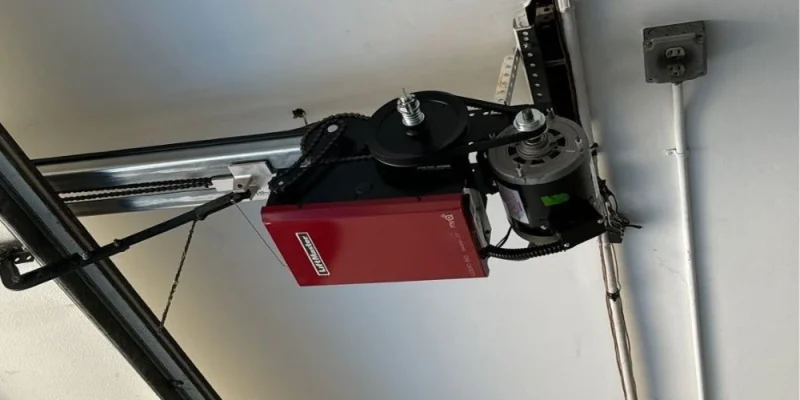
Industrial spaces beat to the rhythm of heavy machinery, relentless activity, and the unseen but essential movement of doors opening and closing throughout each day. In such demanding environments, the humble door operator can mean the difference between seamless workflow and costly downtime. Trolley operators, in particular, have emerged as an essential solution, offering not just brute strength or efficiency, but a delicate balance of security, durability, and adaptability that modern industries require.
The Origins of Industrial Door Operators
Early Mechanisms and Manual Systems
Before automation took root, industrial doors relied on simple manual mechanisms. Chains, pulleys, and counterweights did the job, but they demanded significant physical effort and were prone to wear and breakdown. Security was rudimentary, often dependent on padlocks and basic latches, leaving facilities vulnerable during off-hours.
Emergence of Electric Operators for Commercial Use
The introduction of electric operators in the mid-twentieth century marked a turning point. Suddenly, doors could be moved with a button press or key switch. Early versions, while an improvement, were limited in customization and often noisy, which restricted their use in mixed commercial and residential buildings.
Introduction of Trolley Operators in Industrial Settings
Design and Functional Basics of Trolley Operators
Trolley operators were designed for overhead sectional doors that run along tracks. These systems use a rail and a moving trolley to pull the door open or closed, providing smooth, consistent operation. The simplicity of the mechanism hides an impressive range of possible upgrades, from basic remote functions to sophisticated security protocols.
Advantages Over Previous Door Operator Types
Compared to jackshaft or chain-driven systems, trolley operators excel where door tracks are standard and space above the door is sufficient. Their inline design minimizes mechanical stress, resulting in longer operational life and reduced maintenance. They are also more adaptable to upgrades, including safety sensors and integrated access controls.
Balancing Security Needs with Durability Demands
Security Features Integrated into Trolley Operators
Modern industrial facilities cannot compromise on security. Today’s trolley operators often feature rolling code technology, encrypted remote controls, and programmable access schedules. Some models integrate with broader building management systems, allowing facility managers to monitor access in real time.
Material Choices and Build Quality for Longevity
Durability comes from thoughtful engineering. Heavy-duty motors, weather-resistant enclosures, and reinforced rails allow these operators to handle thousands of cycles per year. Lubrication-free components and anti-corrosion coatings mean that trolley operators stand up to the rigors of manufacturing floors, warehouses, and distribution centers.
Evolution of Safety and Control Technologies
Advances in Remote and Automated Controls
Technological progress has reshaped what operators can do. Wireless keypads, smartphone apps, and programmable timers allow for unprecedented control and customization. Facilities can set doors to lock automatically after hours or grant temporary access for deliveries, streamlining operations without compromising safety.
Enhanced Safety Sensors and Emergency Features
Safety is paramount in environments with heavy foot and machine traffic. Infrared sensors, auto-reverse mechanisms, and manual release options are now standard in quality systems. These features ensure that a malfunctioning door will not pose a hazard to people or property.
Addressing Noise and Environmental Concerns
Innovations for Silent Operation in Sensitive Locations
In mixed-use buildings or close-proximity workplaces, even the most robust machinery must be quiet. Trolley operators like the LiftMaster series are specifically engineered for near-silent operation, making them ideal for environments where noise complaints can stall business. This innovation has opened up new applications in offices, hospitals, and educational facilities.
Durability Under Harsh Industrial Conditions
Extreme temperatures, dust, and humidity are no strangers to industrial sites. Trolley operators built for such environments often feature sealed electronics, heavy-gauge steel, and industrial-grade drive belts. These enhancements ensure consistent performance from the heart of winter to the height of summer.
Customization and Adaptability of Modern Trolley Operators
Options for Various Door Sizes and Types
No two facilities are the same, and neither are their doors. Today’s trolley operators are available in a range of horsepower ratings, control schemes, and mounting options. Whether opening a modest 8-foot dock door or a massive warehouse gate, there is a configuration to match.
Integration with Building Security Systems
Seamless integration is not a luxury, but a necessity. Many operators now communicate with alarm systems, badge readers, and even fire safety protocols. For those seeking expert guidance, Dor Docteur opérateurs électriques pour portes commerciales provides solutions tailored for commercial and industrial applications, combining security with reliability.
Maintenance, Repair, and Longevity Strategies
Common Wear Points and Preventative Maintenance
Even the most rugged operators require care. Chains, belts, and rollers can degrade over time, and electrical contacts may need periodic inspection. Scheduled preventive maintenance is the single best strategy to prevent sudden breakdowns.
Service Solutions to Maximize Operator Lifespan
Industry providers have responded with comprehensive repair services, inspection plans, and rapid replacement part programs. These offerings help facilities avoid extended downtime and maximize the return on their investment.
Future Trends in Trolley Operator Technology
Smart Connectivity and IoT Integration
The next evolution is here: smart, cloud-connected operators that provide analytics, remote diagnostics, and predictive maintenance alerts. Facility managers can optimize door usage, anticipate failures, and tighten security, all from a central dashboard.
Sustainable Materials and Energy Efficiency Improvements
Sustainability is more than a buzzword. Manufacturers are beginning to use recycled metals, energy-efficient motors, and low-impact lubricants to reduce environmental footprints, offering greener choices without sacrificing performance.
As industrial facilities grow more complex, the demand for smarter, tougher, and safer door operators will only intensify. Trolley operators stand at the intersection of durability and security, quietly enabling the pulse of industry to continue without missing a beat.







Comments