
 By
By 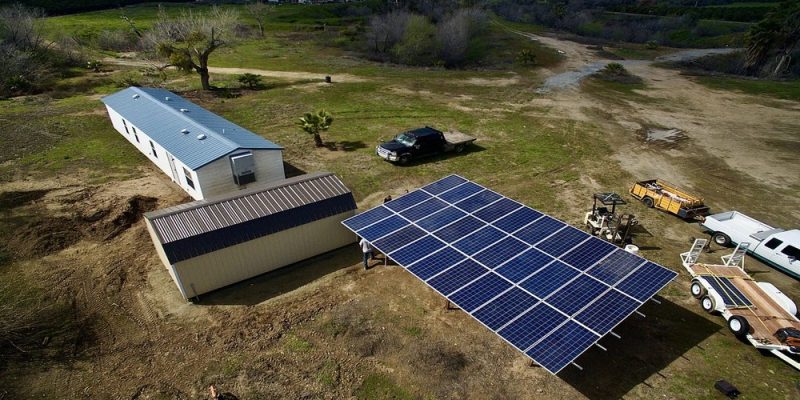
Sustainable living has become an important focus for homeowners, businesses, and rural communities seeking greater control over their energy use. Concerns about rising electricity costs, environmental impact, and long-term energy reliability are encouraging many people to rethink how they power their properties. As a result, interest in off grid power solutions continues to grow across a wide range of lifestyles and industries.
Growing Awareness Of Environmental Responsibility
One of the main reasons people are exploring sustainable energy options is the growing awareness of environmental challenges. Traditional electricity generation often depends on fossil fuels that contribute to pollution and carbon emissions. Many individuals now want to reduce their environmental footprint while maintaining a comfortable lifestyle.
Off grid power solutions support this goal by allowing households and businesses to generate electricity through renewable sources such as solar energy. By relying less on conventional utility networks, users can lower their dependence on non-renewable resources and participate in cleaner energy practices.
This shift toward sustainability is influencing building design, property development, and consumer purchasing decisions. Eco-conscious homeowners are increasingly including renewable energy systems in their long-term living plans.
Rising Energy Costs Encouraging Alternative Solutions
Electricity prices have become a growing concern in many regions. Higher utility bills can place pressure on household budgets as well as operating costs for farms, workshops, and commercial properties. These financial challenges are encouraging more people to explore alternatives that offer better energy stability over time.
Off grid systems allow property owners to generate and store their own electricity, helping reduce exposure to fluctuating energy prices. While installation requires an initial investment, many users see long-term value through reduced ongoing utility expenses and improved energy independence.
The ability to manage energy consumption more efficiently also supports smarter financial planning. People are increasingly viewing renewable energy systems as practical investments rather than luxury upgrades.
Increased Interest In Self-Sufficient Living
Another major trend driving demand for off grid systems is the growing appeal of self-sufficient living. Many individuals are moving toward lifestyles that prioritise independence, simplicity, and resilience. Rural properties, tiny homes, cabins, and sustainable housing projects are becoming more popular among people seeking a stronger connection with nature and reduced reliance on centralised infrastructure.
Off grid power solutions provide the flexibility needed to support these lifestyles. Reliable battery storage and solar systems can deliver electricity for lighting, appliances, communication devices, and water systems even in remote environments.
For many property owners, energy independence also creates a sense of security. Natural disasters, power outages, and grid disruptions have highlighted the importance of reliable backup energy systems that can continue operating during emergencies.
Technological Improvements Supporting Adoption
Modern technology has significantly contributed to the practicality and user-friendliness of off-grid energy systems. Earlier renewable energy systems often faced limitations in storage capacity and energy consistency. Today’s systems are far more advanced and capable of supporting everyday energy demands.
Improved solar panels can generate more electricity with greater efficiency, while modern battery systems allow users to store energy for nighttime use or cloudy weather conditions. Smart monitoring tools also help users track energy production and consumption in real time.
These technological developments have increased confidence among homeowners and businesses considering renewable energy investments. Greater efficiency and reliability make off grid living more achievable for a wider range of users.
Supporting Sustainable Rural Development
Remote and rural communities are among the biggest beneficiaries of renewable energy innovation. Accessing traditional power infrastructure in isolated locations can be difficult and expensive. In some cases, extending utility lines to distant properties may not be financially practical.
Off grid power solutions provide an alternative that supports sustainable development in these regions. Farms, agricultural facilities, remote accommodations, and regional businesses can maintain reliable energy access without depending entirely on traditional grid expansion.
This flexibility supports economic growth while helping reduce environmental impact. Renewable energy systems also make it easier for remote communities to improve living conditions and support modern technology without sacrificing sustainability goals.
Changing Consumer Priorities
Consumer attitudes toward energy are continuing to evolve. Many people now place greater importance on sustainability, efficiency, and long-term resilience when making property decisions. Buyers are increasingly interested in homes and buildings that incorporate renewable energy features and lower environmental impact.
This growing demand is encouraging builders, developers, and energy providers to offer more sustainable solutions as part of modern property design. Energy independence is no longer considered a niche preference. It is becoming an important feature for future-focused living.
Off grid systems align with broader lifestyle trends that emphasise environmental awareness, reduced waste, and smarter resource management. As public interest in sustainable living continues to expand, renewable energy adoption is likely to become even more common.
Conclusion
Sustainable living trends are reshaping the way people think about energy use and long-term property management. Concerns about environmental responsibility, rising electricity costs, and energy reliability are driving increased interest in off grid power solutions across residential and commercial sectors. Advancements in renewable technology have made off grid systems more efficient, practical, and accessible for modern lifestyles. Whether supporting rural development, self-sufficient living, or environmentally conscious property design, these energy systems continue to play an important role in the future of sustainable living.








Comments