
 By
By 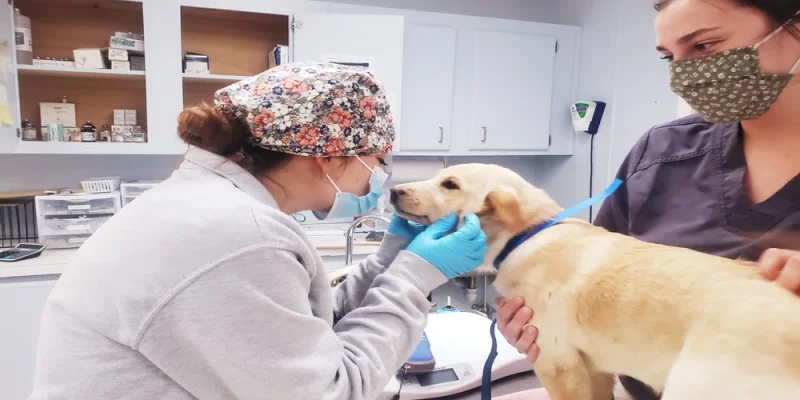
You may already know the pattern. One stray cat becomes four kittens. A neighbor finds a litter of puppies and starts calling shelters that are already full. Rescue groups try to help, but there are never enough appointments, enough staff, or enough money, and clinics like Sumter veterinary surgery often become part of the urgent search for care. When people talk about pet overpopulation, it can sound abstract. It is not abstract when you are the one trying to find help for an animal today.
The core issue is simple. Spay and neuter programs only work when there is reliable medical care behind them, and that is where a veterinary hospital matters most. Surgery is only one part of the job. Safe anesthesia, pain control, exams, infection prevention, recovery monitoring, and follow up care all depend on trained veterinary teams. That is why Why Veterinary Hospitals Are Essential In Spay And Neuter Programs is not just a public health point. It is the difference between a rushed procedure and a safe one, between short term effort and lasting population control.
Veterinary hospitals turn spay and neuter plans into safe medical care
People often think of sterilization as a quick fix. Bring the animal in, do the surgery, send them home. Real life is messier. Some pets are young. Some are older and have hidden health issues. Some are pregnant. Some come in underweight, sick, scared, or already injured. A veterinary hospital is built to handle those variables because surgery without a full medical setting can go wrong fast.
That matters for owned pets and community animals alike. A dog may seem healthy until pre surgical checks show a heart concern. A cat from a colony may need parasite treatment before surgery is safe. A nursing mother may need timing adjustments so her kittens are not put at risk. These decisions require medical judgment, not guesswork.
Hospitals also protect the trust people place in these programs. If a family saves up for a low cost appointment, they need to know their pet will receive proper anesthesia, sterile technique, and pain relief. If a rescue group transports twenty cats for surgery, they need a team that can move efficiently without cutting corners. That is one reason state and academic programs keep pointing back to veterinary infrastructure. Texas has expanded access through a low cost spay and neuter program for dogs and cats, and those efforts depend on qualified veterinary providers to carry them out safely.
Animal population control depends on more than the surgery itself
Animal population control through veterinary care works because hospitals do more than perform procedures. They catch illness early, vaccinate animals that are at risk, treat wounds, and teach owners what recovery should look like. That support prevents setbacks that can discourage people from returning or recommending the program to others.
There is also a shelter side to this that many people do not see. Every unplanned litter puts pressure on shelters, foster homes, municipal budgets, and rescue volunteers. When hospitals partner with shelters and community programs, they help reduce intake before it becomes a crisis. Auburn’s shelter medicine team shows how veterinary support for shelter medicine strengthens prevention, treatment, and population management all at once.
Without that kind of support, the burden shifts back to the public. More stray animals means more disease spread, more bites, more traffic injuries, and more families trying to rehome pets they cannot keep. The emotional cost is real. So is the financial cost. Emergency treatment for a sick litter is far more expensive than one planned spay for the mother.
Veterinary hospitals make low cost spay and neuter programs more reliable
Low cost does not mean low standard. It means the program has found a way to reduce price without removing the medical systems that keep animals safe. Veterinary hospitals are central to that balance. They have trained surgeons, technicians, recovery staff, equipment, pharmacy access, and protocols for complications.
If a cat has trouble waking from anesthesia, a hospital team knows what to do. If a dog starts bleeding after surgery, there is a process in place. If a pet owner does not understand incision care, staff can explain what is normal and what needs attention. Those details are easy to overlook until something goes wrong.
This is also why spay and neuter services should never be treated as assembly line work. Efficiency matters because communities need access, but safety matters more because one bad outcome can keep people from seeking care again. Good programs respect both realities.
Practical differences between hospital based programs and limited access options
| Consideration | Veterinary Hospital Based Program | Limited or Non Hospital Setting |
|---|---|---|
| Pre surgical exam | Full medical screening and risk assessment | May be brief or limited |
| Anesthesia monitoring | Dedicated staff and equipment during surgery | Monitoring may be less robust |
| Pain management | Medication plan tailored to the animal | May be more standardized or minimal |
| Complication response | Immediate medical support on site | Transfer or referral may be needed |
| Follow up care | Clear discharge instructions and recheck options | Support may be harder to access |
| Public trust | Higher confidence for owners, shelters, and rescues | Trust may depend on outside referrals |
Clear steps help you support spay and neuter programs right now
Choose programs connected to veterinary hospitals. If you are scheduling for your own pet or helping a rescue animal, ask who performs the surgery, how animals are monitored, and what follow up support is available. Affordable care should still include medical safeguards.
Act before there is an emergency. The easiest litter to manage is the one that never happens. Schedule early, especially for young pets, and do not wait until pregnancy, roaming, spraying, or fighting creates a larger problem. Early planning saves money and stress.
Support local partnerships that expand access. Shelters, public health agencies, rescues, and hospitals do better when they work together. Share low cost resources, donate to surgery funds, or help transport animals to appointments if you can. A program grows when the community removes small barriers.
Better spay and neuter outcomes start with veterinary hospitals
Spay and neuter programs succeed when they are backed by real medical care, steady systems, and people who know how to protect animals before, during, and after surgery. Veterinary hospitals provide that structure. They make these programs safer, more trusted, and more effective for families, shelters, and entire communities.
If you are trying to help one pet or many, start with a veterinary hospital connected to a reputable sterilization program. That choice gives the animal the best chance at a safe recovery and gives the program a stronger chance to keep working for everyone who needs it.






Comments