
 By
By 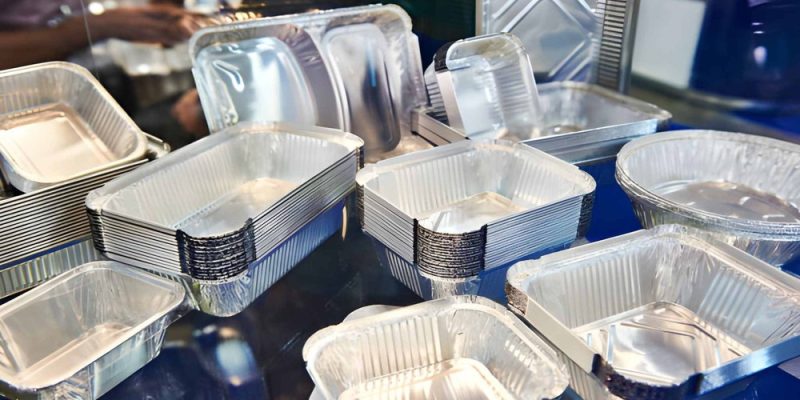
Sometimes I feel people don’t really notice packaging until there is too much of it lying around. Plastic wrappers in drains, broken containers near markets, piles of waste after festivals, it stays in your head, honestly. Businesses are slowly waking up to this problem now, maybe because customers care more, or maybe because the planet is literally forcing everybody to rethink things.
The funny thing is, aluminium packaging has been around for years and years, but suddenly it feels modern again.
Why Businesses Are Looking at Aluminium
I was reading blogs on packaging and ended up spending good time learning about sustainable containers. One site that stands out is the Aluminium Packaging blog. This online resource focusses on creating informative blog posts on lightweight and recyclable aluminium packaging solutions for industries such as cosmetics, food, healthcare, beverages, and more. What I liked was the practical side of their posts. Not just “green marketing” talk. Real usable packaging information.
Their aluminium containers are designed to be:
- Durable but lightweight
- Easy to recycle repeatedly
- Protective against moisture and air
- Suitable for long-term storage
And honestly, businesses need this now. People often pay attention to packaging far more than companies actually realize.
The Strange Appeal of Metal Packaging
There is something about aluminium that just feels clean. Crisp maybe. You pick up an aluminium bottle, and it feels solid without being heavy. Hard to explain properly.
I still remember old aluminium spice containers in my grandmother’s kitchen. Tiny scratches, little metallic sounds when opening lids, smell of tea leaves and turmeric everywhere. Weird memory to connect with sustainable business trends, I know, but maybe packaging becomes emotional too. That matters because shopping is emotional. Very emotional, actually.
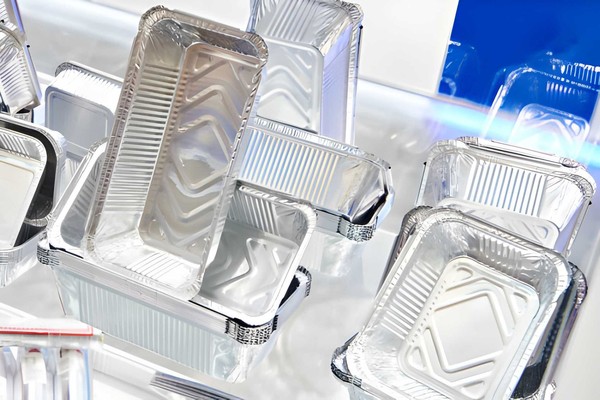
A Quick Comparison between tin and aluminium
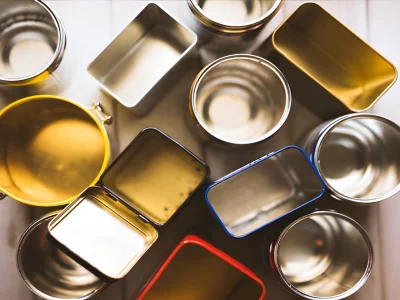
The whole tin vs aluminium comparison confused me before. I assumed both materials were basically identical. Turns out there are differences that businesses care about a lot.
For example:
- Aluminium is lighter, so shipping costs can be reduced
- It resists corrosion better in many conditions
- Recycling aluminium usually requires less replacement material
- It gives products a sleek, modern appearance
Tin still has uses, of course, not saying it does not, but aluminium feels more practical for many modern brands trying to reduce waste and transportation weight at the same time.
Sustainability Is Not Always Loud
Sometimes people imagine sustainability means huge, dramatic changes. Solar panels everywhere. Futuristic factories. But honestly, small choices matter too.
Using recyclable packaging can help businesses:
- Lower packaging waste
- Improve product shelf life
- Reduce damaged goods during transport
- Build stronger customer trust
That last point matters maybe more than companies realize. Customers remember brands that make thoughtful decisions, even tiny ones.
Final Thoughts
I guess aluminium packaging works because it balances practicality with sustainability without making life harder for businesses. That is probably the key. If eco-friendly solutions become too expensive or inconvenient, companies hesitate. But aluminium already fits naturally into manufacturing and shipping systems.
And maybe that is why more sustainable businesses are moving toward it quietly, little by little. Not with huge announcements always. Just smarter choices. Better materials. Less waste piling up somewhere after rainstorms.









Comments