
 By
By 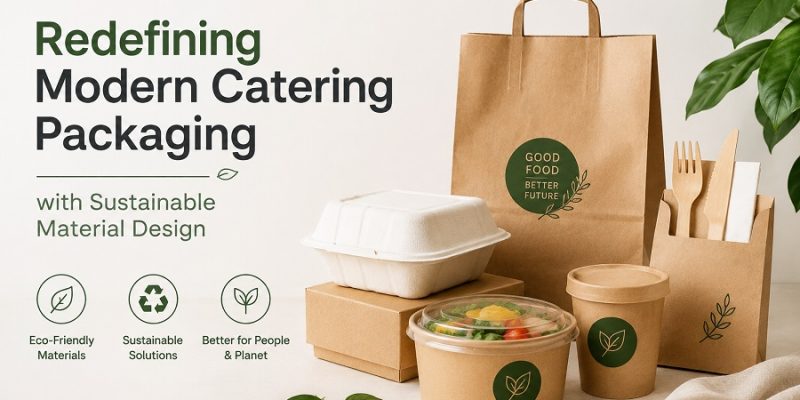
The global food service industry is undergoing a monumental shift driven by evolving consumer expectations and strict environmental regulations. For years, the convenience of quick-service dining and food delivery relied heavily on single-use plastics and expanded polystyrene containers. While these traditional materials provided reliable structural support and moisture resistance, they left behind a catastrophic ecological footprint that takes hundreds of years to degrade in landfills. Today, forward-thinking restaurateurs, event organizers, and packaging designers are moving away from fossil-fuel-based utilities, turning instead to circular economy principles that honor both operational performance and planetary health.
Embracing this green revolution requires a holistic understanding of how raw materials interact with our daily food culture. Modern consumers are no longer just evaluating a meal based on its flavor profiles; they are deeply conscious of how that food is presented and contained. By integrating plant-based alternatives derived from agricultural byproducts, businesses can seamlessly align their brand messaging with real, measurable corporate social responsibility metrics. This intentional approach to sustainable hospitality transforms a simple transactional delivery container into a tactile brand statement that resonates with an increasingly ethical demographic.
Scaling Green Hospitality for Large Scale Commercial Events
Managing the logistics of high-volume dining, such as corporate banquets, music festivals, or busy food trucks, demands serving ware that can withstand intense physical pressure. In the past, vendors frequently compromised on aesthetic appeal and durability by picking cheap plastic trays that buckled under the weight of hot, heavy, or saucy dishes. Fortunately, structural innovation has paved the way for advanced molded fiber alternatives. Purchasing high-quality sugarcane bagasse plates wholesale has emerged as an exceptionally smart move for supply chain managers who need to maintain strict cost efficiencies while eliminating petrochemicals from their operational inventories.
These heavy-duty serving plates are crafted from the fibrous residue that remains after stalks are crushed for juice extraction. They are naturally grease-resistant, microwaveable, and capable of handling significant thermal shifts without losing their shape or transferring unwanted plastic odors to the food. Their organic, natural cream or white texture provides a beautifully minimalist backdrop for diverse culinary styles, from colorful farm-to-table salads to hearty slow-cooked meats. For hospitality businesses looking to purchase reliable, commercial-grade biodegradable plates for their upcoming seasonal events, making this foundational shift in procurement is the first logical step toward building a waste-free catering ecosystem that actively safeguards the environment.
Elevating the Unboxing Aesthetics of Premium Japanese Dining
While open-air serving plates work exceptionally well for immediate consumption, specialized takeout menus present a unique set of structural and moisture-control challenges. Consider the meticulous art of Japanese cuisine, specifically premium sushi and sashimi, where visual perfection and strict temperature regulation are vital to the dining experience. Conventional plastic containers trap condensation inside the lid, creating a humid microclimate that causes crisp seaweed sheets to turn soft and compromises the delicate texture of raw fish. To resolve this dilemma, designers have introduced advanced eco friendly sushi packaging systems that utilize breathable, moisture-regulating plant fibers to maintain the precise freshness of delicate seafood.
These dedicated takeout boxes feature precise partitions and secure locking mechanisms to keep soy sauce, pickled ginger, and individual maki rolls pristine and beautifully aligned during transit. The structural stability of molded sugarcane fiber provides excellent thermal insulation, ensuring that chilled ingredients stay cool without sweating. For high-end restaurateurs looking to elevate their gourmet takeout presentation and eliminate single-use plastics from their deliveries, switching to specialized bagasse sushi serving trays and disposable plates represents a seamless operational upgrade. This thoughtful packaging choice eliminates the cheap feeling often associated with plastic delivery boxes, reinforcing the restaurant’s premium reputation directly in the customer’s home.
Building a Long Term Sustainability Blueprint for Food Brands
Transitioning away from conventional single-use plastics requires an intentional, multi-step strategy that integrates reliable material science with everyday kitchen habits. To maximize the long-term success of an eco-friendly switch, food service operators should focus on optimizing several key operational areas:
- Sizing Precision: Select customized container shapes that perfectly fit your specific menu portions to reduce excess material usage and packaging costs.
- Consumer Dialogue: Print clear disposal instructions or composting icons on the packaging to help diners handle the used containers correctly.
- Minimalist Accents: Complement your plant-based containers with unbleached kraft paper bags and natural twine to create a unified, earthy brand aesthetic.
The intersection of beautiful, functional design and rigorous environmental ethics represents the clear future of the global catering sector. It demonstrates that food businesses do not need to sacrifice convenience, leak protection, or visual elegance to respect the earth’s natural ecosystems. As more culinary establishments adopt these advanced sugarcane fiber alternatives, sustainable dining will continue to move from a premium trend into the universal baseline for modern urban lifestyles.
Ultimately, every piece of packaging an establishment chooses to send out serves as a reflection of its core corporate values. By investing in renewable, plant-based packaging solutions, the culinary world can continue providing memorable dining experiences while ensuring local communities remain clean, green, and vibrant for future generations.











Comments